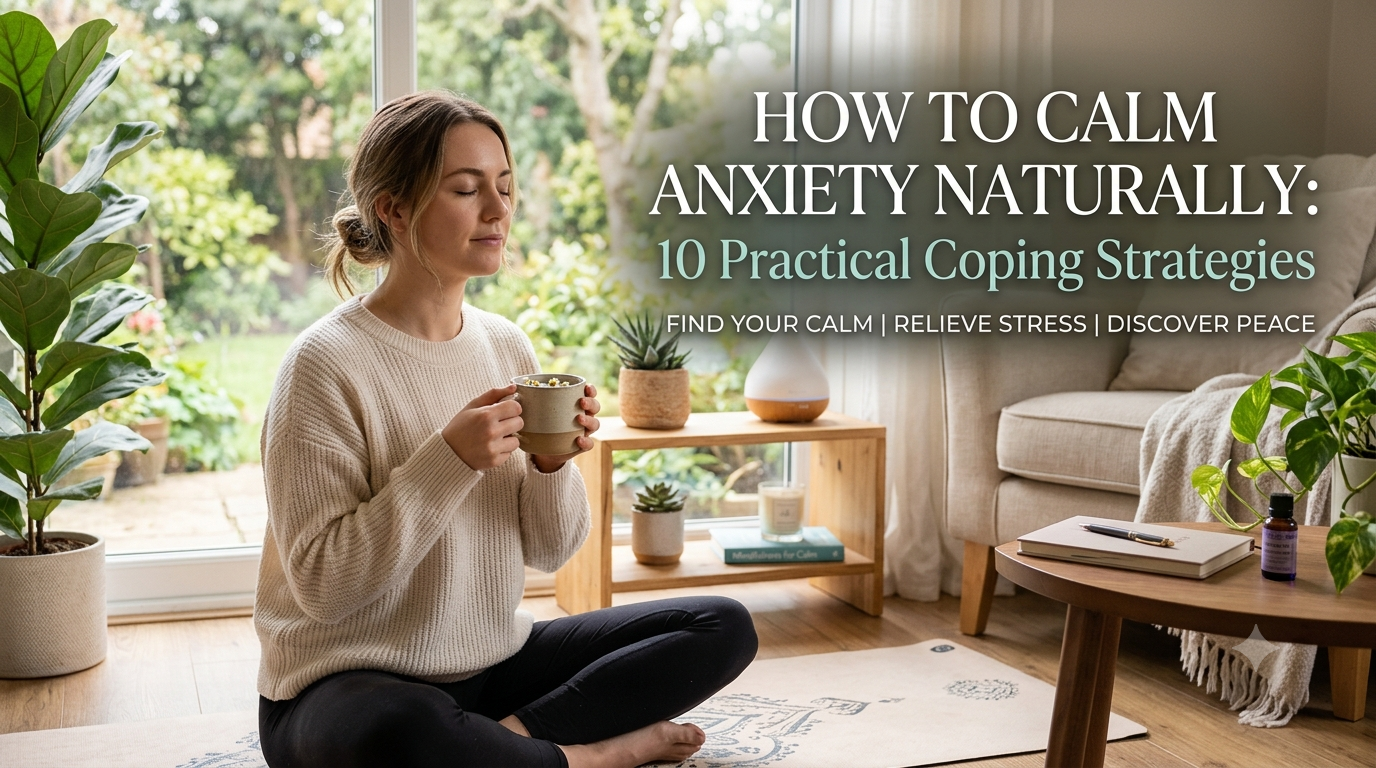
While natural techniques can help reduce mild to moderate anxiety symptoms, they are not a substitute for professional care when anxiety becomes persistent or significantly interferes with daily life.
Can Anxiety Be Managed Naturally?
Yes. Many healthy lifestyle habits and coping techniques can reduce stress and help regulate the body’s response to anxiety. These approaches work best when practiced consistently and may be used alongside therapy or medication when recommended by a healthcare provider.
1. Practice Deep Breathing
Anxiety often causes rapid, shallow breathing, which can increase feelings of panic.
Slow, controlled breathing helps activate the body’s relaxation response.
Try breathing in slowly through your nose for four seconds, holding briefly, and exhaling gently through your mouth.
2. Stay Physically Active
Regular exercise supports both physical and mental health.
Physical activity helps reduce stress hormones while increasing endorphins, which naturally improve mood.
Aim for at least 150 minutes of moderate exercise each week, such as walking, cycling, swimming, or yoga.
3. Improve Your Sleep Routine
Poor sleep and anxiety often reinforce one another.
To promote better sleep:
- Maintain a consistent bedtime.
- Limit screen time before bed.
- Keep your bedroom cool and quiet.
- Avoid caffeine late in the day.
Quality sleep supports emotional regulation and resilience.
4. Limit Caffeine and Alcohol
Large amounts of caffeine may increase nervousness, racing thoughts, and rapid heartbeat.
Alcohol may temporarily reduce anxiety but can worsen symptoms over time and interfere with healthy sleep.
Moderation is important for overall mental health.
5. Practice Mindfulness
Mindfulness encourages focusing on the present moment instead of worrying about future events.
Simple techniques include:
- Guided meditation
- Body scan exercises
- Mindful breathing
- Journaling
Regular mindfulness practice has been shown to help reduce anxiety for many people.
6. Maintain a Balanced Diet
Eating regular, nutritious meals helps stabilize energy levels and supports healthy brain function.
Include:
- Fruits and vegetables
- Whole grains
- Lean proteins
- Healthy fats
- Plenty of water
Avoid skipping meals, as low blood sugar may worsen anxiety symptoms in some individuals.
7. Stay Connected
Social support plays an important role in mental health.
Talking with trusted family members, friends, or support groups can reduce feelings of isolation and provide encouragement during stressful times.
8. Learn to Manage Stress
Daily stress management can reduce anxiety over time.
Helpful strategies include:
- Prioritizing tasks
- Taking regular breaks
- Setting realistic expectations
- Practicing relaxation exercises
- Spending time outdoors
- Small changes often have lasting benefits.
9. Reduce Information Overload
Constant exposure to stressful news or social media may increase anxiety.
Consider setting healthy boundaries around screen time and taking breaks from digital devices when needed.
10. Know When to Seek Professional Help
Natural coping strategies are valuable, but they may not be enough for everyone.
Seek professional evaluation if anxiety:
- Persists for several weeks or longer
- Interferes with work or school
- Affects relationships
- Causes panic attacks
- Prevents normal daily activities
Early treatment often leads to better outcomes.
Professional Treatment Can Make a Difference
If anxiety continues despite healthy coping strategies, a mental health professional may recommend:
- Cognitive Behavioral Therapy (CBT)
- Other evidence-based psychotherapies
- Medication when appropriate
- Personalized treatment planning
- Ongoing follow-up and support
Treatment plans should always be individualized based on your symptoms and overall health.
Final Thoughts
Natural coping strategies can help many people reduce everyday anxiety and improve emotional well-being. Healthy habits such as regular exercise, quality sleep, mindfulness, and stress management are valuable tools for supporting mental health.
However, persistent or severe anxiety deserves professional attention. A qualified healthcare provider can help determine the underlying cause of your symptoms and recommend the most appropriate treatment plan to help you regain confidence and improve your quality of life.