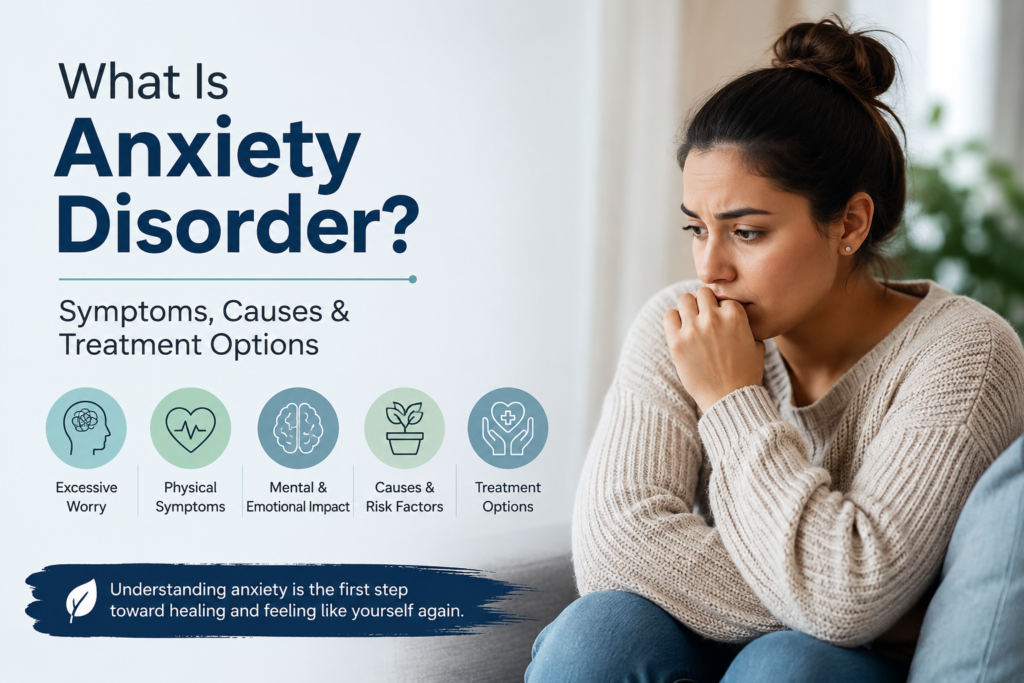
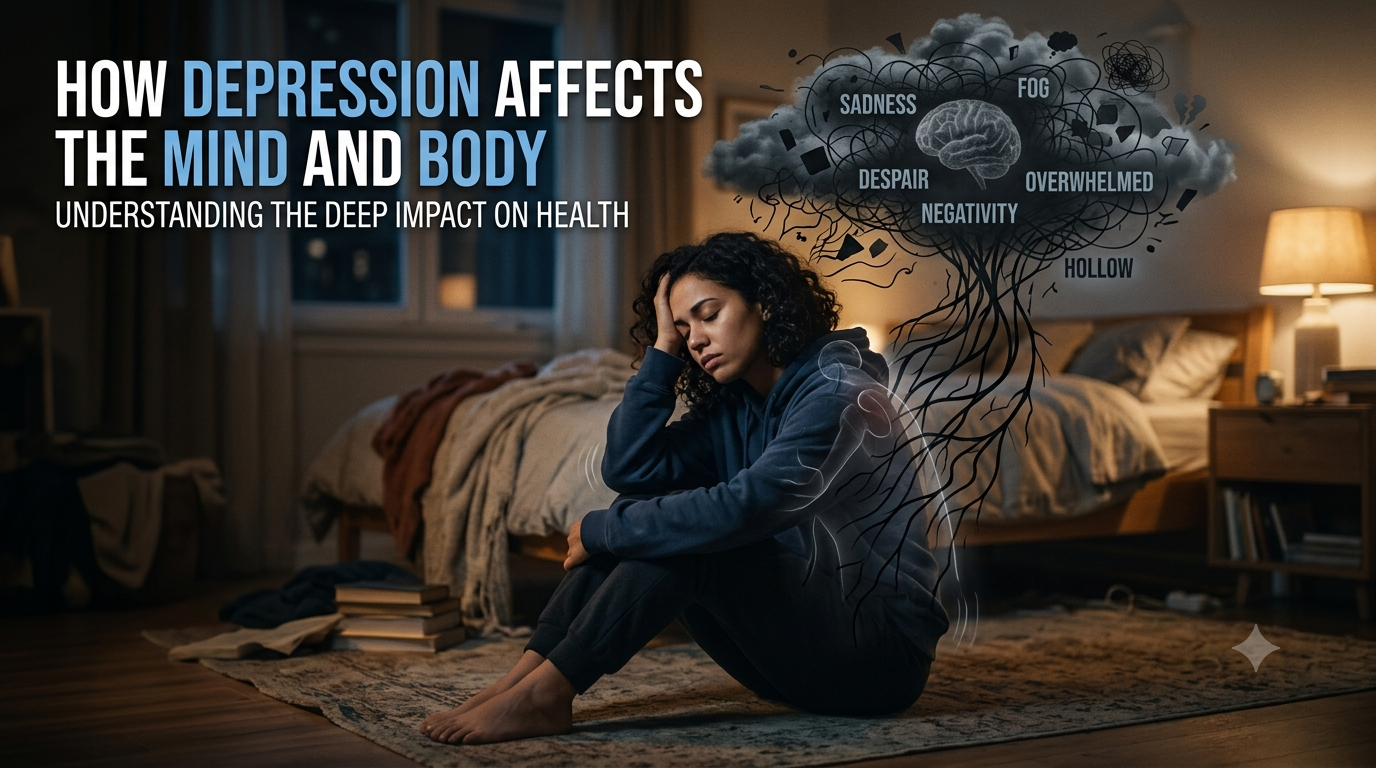
Understanding how depression affects both the mind and body can help individuals recognize symptoms earlier and seek appropriate treatment. With professional care, many people successfully manage depression and experience meaningful improvements in their emotional and physical well-being.
Understanding Depression
Depression, also called Major Depressive Disorder (MDD), is a common mental health condition that causes persistent feelings of sadness, hopelessness, and loss of interest in daily activities. Unlike temporary emotional reactions to stressful situations, depression often lasts for weeks or months and interferes with normal daily functioning.
Depression can affect anyone regardless of age, gender, or background. It is a medical condition—not a personal weakness—and effective treatments are available.
How Depression Affects the Mind
Depression changes the way the brain processes emotions, motivation, concentration, and decision-making. These changes can make even simple daily tasks feel overwhelming.
Persistent Sadness and Hopelessness
One of the hallmark symptoms of depression is a prolonged low mood. Many people describe feeling empty, numb, or hopeless, even when there is no obvious reason.
These emotions often make it difficult to enjoy activities that once brought happiness.
Difficulty Concentrating
Depression commonly affects cognitive function. Individuals may experience:
- Trouble focusing at work or school
- Difficulty making decisions
- Forgetfulness
- Slower thinking
- Problems completing routine tasks
These challenges may impact productivity and confidence over time.
Negative Thinking Patterns
People with depression often develop negative thoughts about themselves, their future, or the world around them. They may feel worthless, excessively guilty, or believe that nothing will improve.
Professional therapy can help identify and change these unhelpful thought patterns.
Emotional Changes
Depression doesn’t always present as sadness alone. Some individuals experience:
- Irritability
- Increased frustration
- Anxiety
- Emotional numbness
- Frequent crying
- Loss of motivation
These emotional changes can affect relationships, work performance, and daily interactions.
How Depression Affects the Body
Mental health and physical health are closely connected. Depression can contribute to numerous physical symptoms that sometimes appear before emotional symptoms become obvious.
Constant Fatigue
Many people with depression feel tired throughout the day, even after a full night’s sleep. This lack of energy may make household responsibilities, work, or exercise feel overwhelming.
Sleep Problems
Depression can disrupt healthy sleep patterns in different ways.
Some people experience:
- Difficulty falling asleep
- Waking frequently during the night
- Waking too early
- Sleeping much longer than usual
Poor sleep can further worsen mood, concentration, and energy levels.
Appetite and Weight Changes
Depression may affect eating habits differently for each person.
Some individuals lose interest in food and unintentionally lose weight, while others eat more frequently as a way of coping with emotional distress, leading to weight gain.
Physical Aches and Pain
Depression can contribute to physical symptoms such as:
- Headaches
- Muscle tension
- Neck or back pain
- Digestive problems
- Unexplained body aches
These symptoms are real and can significantly affect daily functioning.
The Impact on Daily Life
Depression often affects many aspects of everyday life beyond emotional health.
Work and School Performance
Concentration problems, low motivation, and fatigue can make it difficult to complete assignments, meet deadlines, or stay productive.
Without treatment, these difficulties may lead to increased stress and reduced job or academic performance.
Relationships
Depression can make social interaction challenging.
Individuals may:
- Withdraw from loved ones
- Avoid social activities
- Have difficulty communicating
- Become less emotionally available
- Experience conflict due to irritability or low energy
Supportive relationships often play an important role in recovery.
Self-Care
Depression may reduce motivation to maintain healthy daily habits such as:
- Personal hygiene
- Preparing nutritious meals
- Exercising regularly
- Keeping medical appointments
- Managing household responsibilities
These challenges are symptoms of the condition rather than signs of laziness.
Who Is at Higher Risk?
Depression develops for different reasons, and multiple factors may increase the risk.
Common risk factors include:
- Family history of depression
- Chronic medical conditions
- Anxiety disorders
- Traumatic or stressful life events
- Hormonal changes
- Substance misuse
- Ongoing financial or relationship stress
Having one or more risk factors does not necessarily mean someone will develop depression, but awareness can encourage earlier intervention.
Treatment Can Improve Both Mental and Physical Health
Depression is highly treatable, and early care often leads to better outcomes.
Treatment may include:
Psychotherapy
Evidence-based therapies, including Cognitive Behavioral Therapy (CBT), help individuals develop healthier coping strategies, manage negative thinking patterns, and improve emotional resilience.
Medication
Antidepressant medications may be recommended depending on symptom severity and individual needs. Medication decisions should always be made with a qualified healthcare provider.
Healthy Lifestyle Habits
Alongside professional treatment, healthy routines can support recovery:
- Regular physical activity
- Consistent sleep schedule
- Balanced nutrition
- Stress reduction techniques
- Staying connected with supportive family and friends
Lifestyle changes should complement—not replace—professional mental health treatment.
When Should You Seek Professional Help?
Consider scheduling an evaluation with a qualified mental health provider if:
- Symptoms persist for more than two weeks
- Depression interferes with work, school, or relationships
- You no longer enjoy activities you once loved
- Daily tasks become difficult to complete
- You experience feelings of hopelessness or thoughts of self-harm
Seeking help early can improve recovery and reduce the long-term impact of depression.
Final Thoughts
Depression affects both the mind and body, influencing emotions, physical health, relationships, and everyday responsibilities. Understanding these effects can help individuals recognize symptoms sooner and access appropriate care.
The good news is that depression is treatable. With an accurate diagnosis, evidence-based treatment, and ongoing support, many people experience significant improvement and lead healthy, fulfilling lives.
If you or someone you care about is experiencing symptoms of depression, reaching out to a qualified mental health professional is an important first step toward recovery.