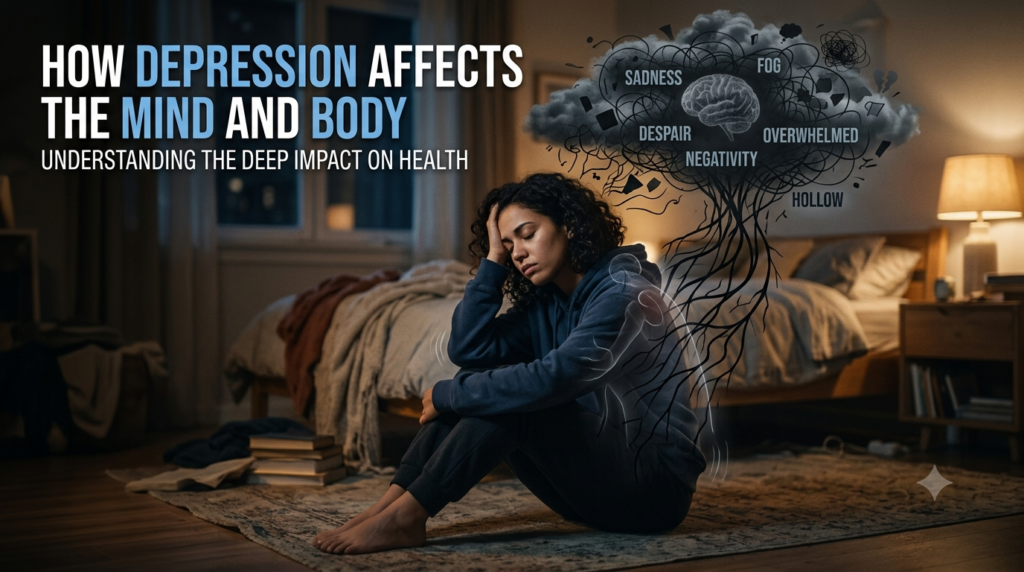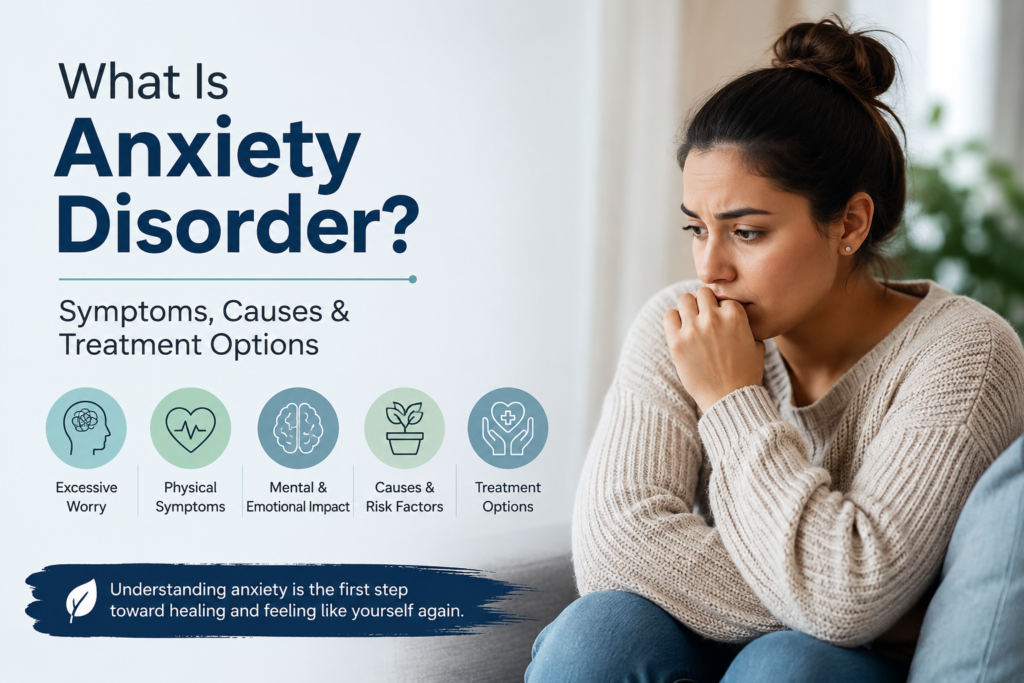
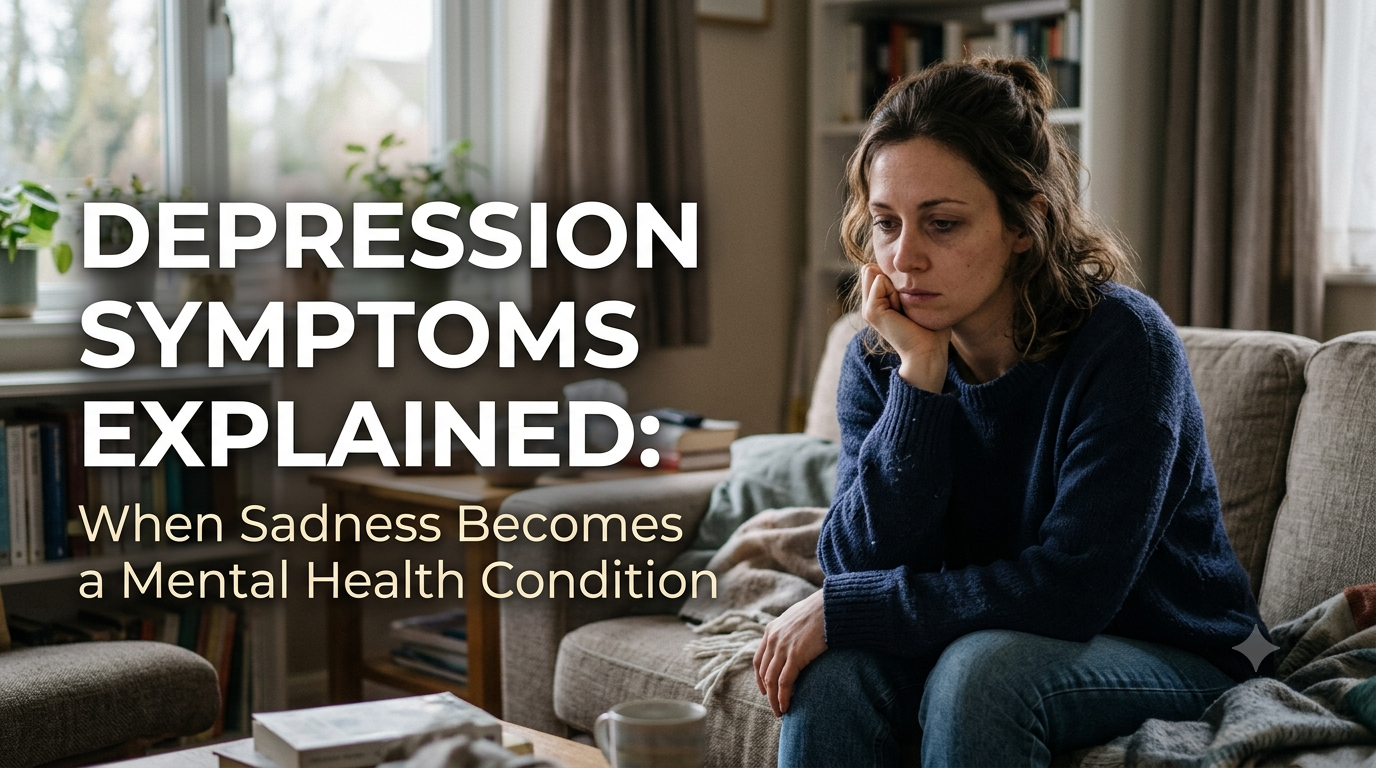
Recognizing the symptoms of depression early is an important step toward getting the support and treatment you need. With the right care, many people experience significant improvement and regain control of their lives.
What Is Depression?
Depression, also known as Major Depressive Disorder (MDD), is a mental health condition characterized by persistent feelings of sadness, emptiness, or loss of interest in activities that were once enjoyable. Unlike temporary sadness, depression affects how a person thinks, feels, and functions on a daily basis.
Depression is not a sign of weakness or a personal failure. It is a medical condition influenced by biological, psychological, and environmental factors, and it can affect people of all ages.
Common Symptoms of Depression
Depression symptoms vary from person to person, but they often persist for at least two weeks and interfere with everyday life.
Persistent Sadness or Low Mood
One of the most recognizable symptoms is feeling sad, empty, or hopeless for most of the day, nearly every day.
Loss of Interest in Activities
People with depression may lose interest in hobbies, social activities, work, or spending time with family and friends.
Changes in Sleep
Depression may cause insomnia, difficulty staying asleep, waking up too early, or sleeping much more than usual.
Fatigue and Low Energy
Even simple daily tasks can feel exhausting. Many individuals report feeling physically and mentally drained despite getting adequate rest.
Difficulty Concentrating
Depression can make it harder to focus, remember information, make decisions, or complete routine tasks.
Changes in Appetite or Weight
Some people experience a loss of appetite and weight loss, while others may eat more than usual and gain weight.
Feelings of Worthlessness or Excessive Guilt
People living with depression often criticize themselves harshly or feel guilty about situations beyond their control.
Thoughts of Death or Suicide
In severe cases, depression may lead to thoughts of self-harm or suicide. These thoughts should always be taken seriously and require immediate professional support.
Depression vs. Everyday Sadness
Everyone experiences sadness from time to time, especially after stressful life events. The difference is that ordinary sadness usually improves with time, while depression is more persistent and affects multiple aspects of life.
Depression often impacts:
- Work or school performance
- Personal relationships
- Physical health
- Daily responsibilities
- Motivation and self-care
If symptoms continue for weeks and interfere with normal functioning, it is important to seek a professional evaluation.
What Causes Depression?
Depression rarely has a single cause. Instead, it often develops from a combination of factors.
Common risk factors include:
- Family history of depression
- Brain chemistry and hormonal changes
- Chronic stress
- Traumatic or stressful life events
- Chronic medical conditions
- Certain medications
- Substance misuse
Understanding the underlying causes helps healthcare providers create an effective treatment plan tailored to each individual.
When Should You Seek Professional Help?
Many people delay seeking treatment because they believe their symptoms will improve on their own. While some periods of sadness naturally resolve, persistent depression usually benefits from professional care.
You should consider speaking with a healthcare provider if:
- Symptoms last longer than two weeks
- Daily responsibilities become difficult to manage
- You withdraw from family or friends
- You lose interest in activities you once enjoyed
- Your mood affects work, school, or relationships
- You experience thoughts of self-harm or suicide
Early intervention often leads to better outcomes and may help prevent symptoms from becoming more severe.
How Depression Is Diagnosed
There is no laboratory test that confirms depression. A qualified mental health professional diagnoses depression through a comprehensive evaluation that may include:
- A review of your symptoms
- Medical and mental health history
- Discussion of recent life events
- Screening questionnaires
- Evaluation for other physical or mental health conditions that may contribute to symptoms
An accurate diagnosis is essential because depression can sometimes occur alongside anxiety disorders, ADHD, bipolar disorder, or certain medical conditions.
Treatment Options for Depression
Depression is highly treatable, and many people recover with the right combination of care.
Psychotherapy
Talk therapy, including Cognitive Behavioral Therapy (CBT), helps individuals recognize negative thought patterns, develop healthier coping skills, and improve emotional resilience.
Medication
Antidepressant medications may be recommended for moderate to severe depression. Medication decisions should always be made with a qualified healthcare provider based on an individual’s symptoms, health history, and treatment goals.
Lifestyle Habits
Healthy lifestyle choices can support overall mental wellness alongside professional treatment.
Helpful habits include:
- Regular physical activity
- Consistent sleep routines
- Nutritious meals
- Stress management techniques
- Maintaining supportive social connections
While lifestyle changes may improve overall well-being, they are not a replacement for professional treatment when depression is significant.
Living Well With Depression
Recovery from depression looks different for everyone. Some people improve with therapy alone, while others benefit from medication or a combination of treatments. Ongoing support, healthy routines, and regular follow-up with a healthcare provider can help reduce symptoms and improve long-term mental health.
It is important to remember that seeking help is a sign of strength. Depression is a medical condition, and effective treatments are available.
Final Thoughts
Depression is more than feeling sad—it is a treatable mental health condition that can affect every aspect of life. Recognizing the symptoms early and seeking professional care can make a meaningful difference in recovery and overall well-being.
If you or someone you love is experiencing persistent symptoms of depression, consider speaking with a qualified mental health professional. Early diagnosis and personalized treatment can help you regain hope, improve daily functioning, and move toward a healthier future.